



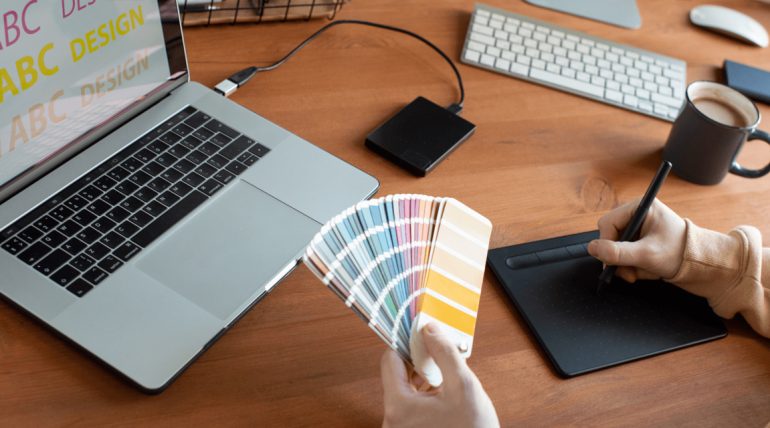
When building a website, every design element plays a role in shaping how your audience perceives your brand. Among these elements, fonts may seem small, but they have a significant impact. The fonts you and your website designer choose, how they are used, and their consistency across your site can directly influence your website’s usability, branding, and marketing effectiveness.
Here’s why font consistency is crucial—and how it can elevate your online presence.
1. Font Consistency Strengthens Your Brand
Your website is often the first interaction customers have with your brand, and fonts play a subtle but powerful role in shaping that first impression. A consistent font strategy reflects professionalism and communicates your brand’s personality. Modern brands might opt for sleek, sans-serif fonts. Traditional or luxury brands often lean toward serif fonts for a timeless feel. By sticking to a defined set of fonts, your website will reflect your company’s identity and makes a lasting impact on visitors.
2. Clear Fonts Showcase Organization and Professionalism
Imagine visiting a website where every section features a different font. It’s chaotic and unorganized, making it harder for users to navigate and trust the brand. Consistency in font usage helps establish visual hierarchy and ensures that visitors can easily follow the flow of information.
Font placement matters:
- Headings: Bold, attention-grabbing fonts should be used to guide users through key sections.
- Body Text: A clean, legible font for should be chosen for readability, especially for paragraphs.
- Accents: Unique or playful fonts should be used sparingly for emphasis without overwhelming your design.
This organized approach shows visitors that your company is thoughtful, detail-oriented, and focused—qualities that translate into trustworthiness.
3. Consistency Improves Marketing Efforts
Your website is more than just a collection of pages; it’s a marketing tool. Fonts can reinforce your message by complementing the tone of your content. For instance, a playful font paired with bright colors can reflect creativity and innovation, and a structured, minimalist font combination signals reliability and efficiency.
When users experience consistent typography across your website and marketing materials, it makes your brand more recognizable. This familiarity builds trust and encourages users to engage with your business.
4. Better Font Placement Means Better Readability
Good design isn’t just about aesthetics—it’s about function. The placement of fonts across your site impacts how effectively your message is communicated:
- Limit font types to three: One for headings, one for body text, and one for accents.
- Align fonts with design elements: Ensure your font sizes and styles match the layout for a polished look.
- Emphasize contrast: Choose font colors that are easy to read against your website’s background.
If you and your web designer pay attention to font placement, you’ll create a site that’s easy to navigate, visually appealing, and engaging.
Final Thoughts
Consistency in font usage is about more than looking good—it’s about building trust, enhancing readability, and showcasing your brand’s professionalism. A cohesive design makes your website more accessible to users and helps your business stand out in a competitive digital landscape, and fonts play a major part in that. be sure you and your website designer/agency are on the same page regarding the use of fonts.
